
Classic French Butter Cake

A tender, buttery 9-inch cake with a golden top and fine crumb — simple ingredients and timeless technique for an everyday French-inspired treat.
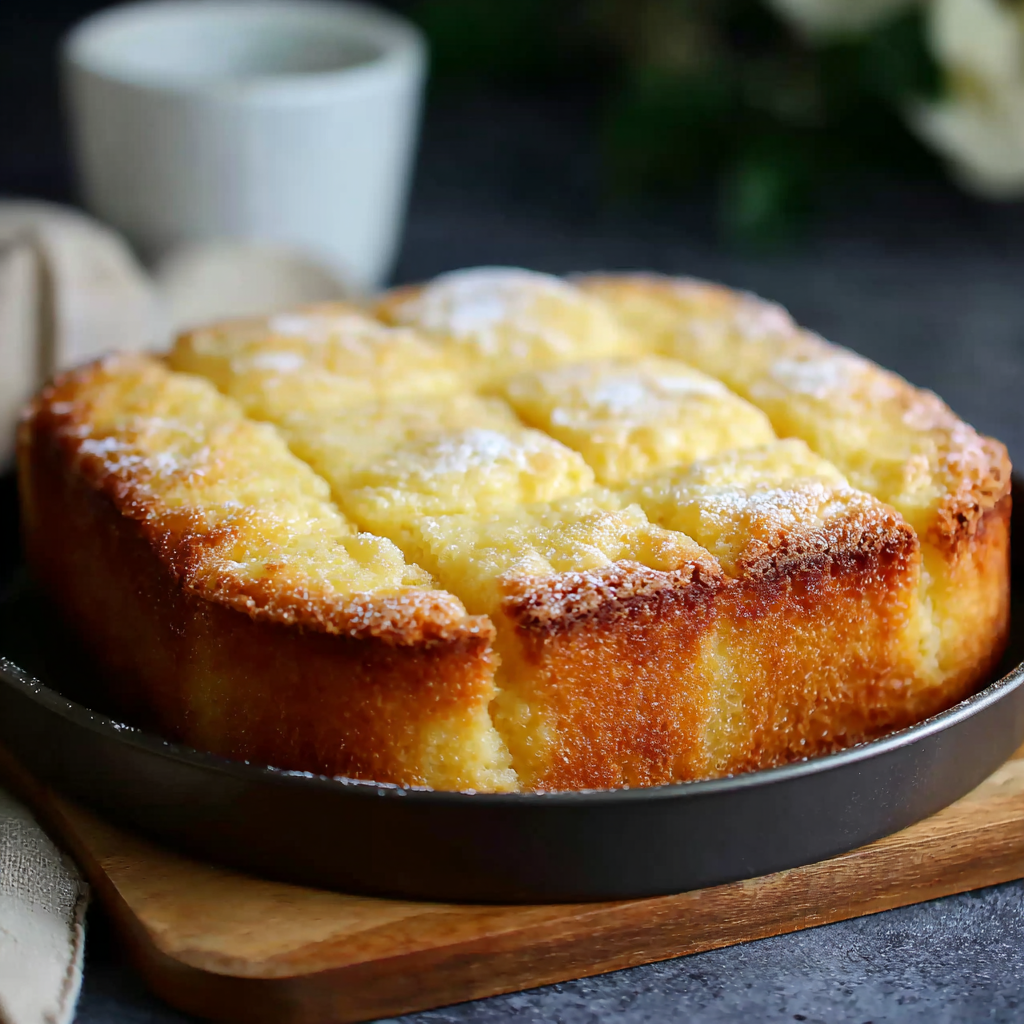
This French butter cake has been my weekend treat and a quiet ritual for years. I discovered the version that became mine on a rainy Saturday afternoon, testing the balance between butter, eggs, and sugar until the texture felt like velvet in the spoon. It was the kind of success that made me turn the oven on every other day: simple ingredients sourced from the pantry transforming into something unexpectedly special. This cake is about pure flavors — real butter, fresh eggs, and vanilla — that come together to produce a tender crumb and a buttery aroma that fills the kitchen.
I first served this cake at a small family gathering where the goal was comfort, not ceremony. People reached for second slices without hesitation. The top browns to a warm golden shade while the interior remains soft and close-grained, making each bite both rich and airy. It’s the sort of cake that tastes like a memory: a bakery note, a grandmother’s pan, and the comfort of uncomplicated baking. If you like plain cake with an exceptional texture and deep butter flavor, this one will likely be in your regular rotation.
Why You'll Love This Recipe
- Made with pantry staples — unsalted butter, granulated sugar, all-purpose flour and eggs — so you can bake it with minimal shopping.
- Ready in under an hour of active time plus baking; hands-on prep is about 15 minutes and baking 40–50 minutes.
- Produces a finely textured crumb and golden crust that pairs beautifully with coffee or a light cream for dessert.
- Flexible: serve it plain, dusted with powdered sugar, or with fresh fruit and whipped cream for a quick celebration.
- Ideal for make-ahead; it keeps well at room temperature and reheats with a moist interior after a light warm-up.
- Crowd-pleasing and approachable for cooks of all levels — excellent as a beginner’s technique-builder for creaming and batter handling.
I remember the first time I used this method for creaming butter and sugar: the mixture turned almost pale and double in volume, which made the difference between a dense cake and this light, buttery result. My family noticed the texture immediately and began asking how I achieved that bakery-like crumb. Over time I adjusted minor details — using room-temperature eggs, sifting flour gently, and resisting the urge to overmix — and the outcome improved each time.
Ingredients
- Unsalted butter (1 cup / 2 sticks): Use high-quality European-style butter if available for a more pronounced butter flavor. Soften to room temperature for even creaming.
- Granulated sugar (1 1/2 cups): Regular white sugar yields a fine crumb and reliable browning; do not substitute with coarse crystals unless you are ready to dissolve them completely while creaming.
- Large eggs (4): At room temperature to help emulsify air into the batter and to produce a stable structure. Fresh eggs give the brightest flavor and best rise.
- Pure vanilla extract (2 teaspoons): Use a high-quality pure vanilla, not imitation, to anchor the flavor; vanilla rounds the richness without overpowering it.
- All-purpose flour (2 cups): Spoon and level the flour for accuracy. If you want a slightly lighter crumb, replace 1/4 cup with cake flour.
- Baking powder (1 teaspoon) and salt (1/2 teaspoon): Baking powder provides gentle lift; salt enhances the butter and vanilla notes — use fine salt for even distribution.
- Whole milk or heavy cream (1/2 cup): Adds moisture and richness; whole milk will make the cake slightly lighter, heavy cream will heighten the tender mouthfeel.
Instructions
Preheat and prepare: Preheat the oven to 350°F (175°C). Grease a 9-inch round pan and line the bottom with parchment paper. Proper pan preparation ensures an easy release and clean edges when you turn out the cake. Cream butter and sugar: In a large bowl with a stand mixer fitted with the paddle or with a handheld mixer, beat the softened butter and granulated sugar on medium-high for 3–5 minutes until pale and fluffy. The creaming step incorporates air that gives the cake lift; watch for the mixture to become noticeably lighter in color. Add eggs slowly: Add the eggs one at a time, beating well after each addition. This steady incorporation helps maintain the emulsion so the batter does not split. Scrape down the bowl between additions to keep the texture even. Stir in vanilla: Add 2 teaspoons of pure vanilla and mix until combined. Vanilla balances and enhances the butter’s sweetness without masking its character. Combine dry ingredients: In a separate bowl, whisk together the 2 cups all-purpose flour, 1 teaspoon baking powder, and 1/2 teaspoon salt. Whisking distributes the leavening and prevents pockets of baking powder in the batter. Fold and combine: With the mixer on low, gradually add the dry ingredients to the wet mixture until just incorporated. Overmixing develops gluten and gives a tough crumb; stop when there are no visible streaks of flour. Add milk and finish batter: Pour in 1/2 cup whole milk or heavy cream and mix on low until the batter is smooth. The final batter should be glossy and pourable but not thin — a thick ribbon will fall from the spoon. Bake and test: Transfer batter to the prepared pan and smooth the top with a spatula. Bake 40–50 minutes until the top is golden and a toothpick inserted in the center comes out clean. If the top browns too quickly, tent loosely with aluminum foil for the last 10–15 minutes. Cool and serve: Let the cake cool in the pan 10–15 minutes, then invert onto a wire rack to cool completely. Dust with powdered sugar or serve plain to enjoy the butter-forward flavor.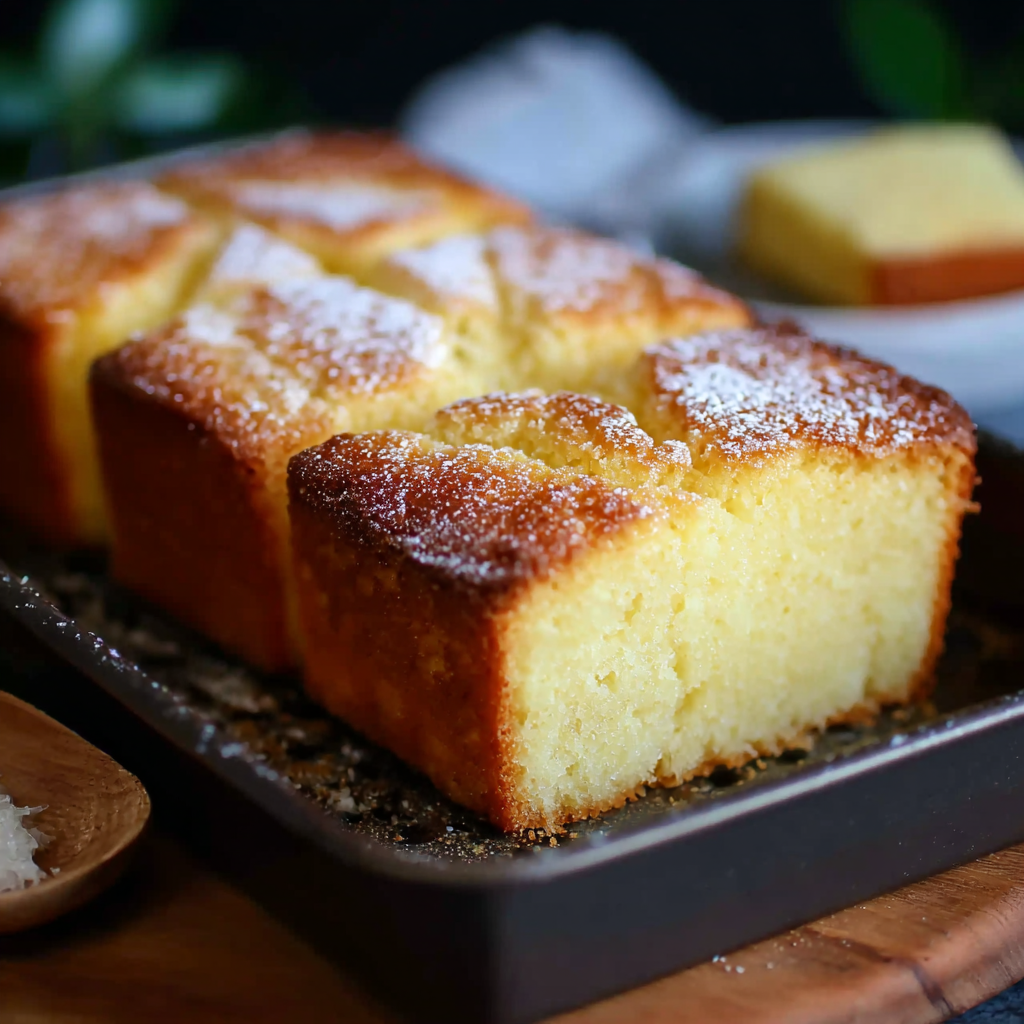
You Must Know
- This cake stores well at room temperature wrapped tightly for up to 2 days, or refrigerated for up to 5 days; bring back to room temperature before serving for best texture.
- Freezes beautifully for up to 3 months: wrap tightly in plastic and then foil. Thaw overnight in the refrigerator and warm briefly in a low oven.
- High in butter and eggs, so it is relatively calorie-dense; it provides long-lasting satiety making it a good choice for a special breakfast or dessert.
- Use room-temperature eggs and butter to ensure full emulsion; cold ingredients make the batter seize and reduce rise.
My favorite thing about this cake is how forgiving it is: even when my timing is not perfect or the oven runs a few degrees off, the flavor carries the day. Family members often remark that it tastes like a bakery treat despite the minimal effort, and that encourages me to keep this recipe in regular rotation for both weekday tea and weekend guests. The subtle vanilla and butter balance means you can adapt it to many toppings without losing the core identity.
Storage Tips
For short-term storage, keep the cake covered at room temperature in a cake keeper or wrapped in plastic wrap for up to 48 hours; the crumb remains tender and the crust stays pleasantly soft. For longer storage, wrap slices individually in plastic and place in an airtight container in the freezer for up to 3 months. When reheating from frozen, thaw in the refrigerator overnight and warm in a 300°F oven for 10–12 minutes to revive the crust without drying the interior. Avoid microwaving for long periods — it can make the crumb gummy.
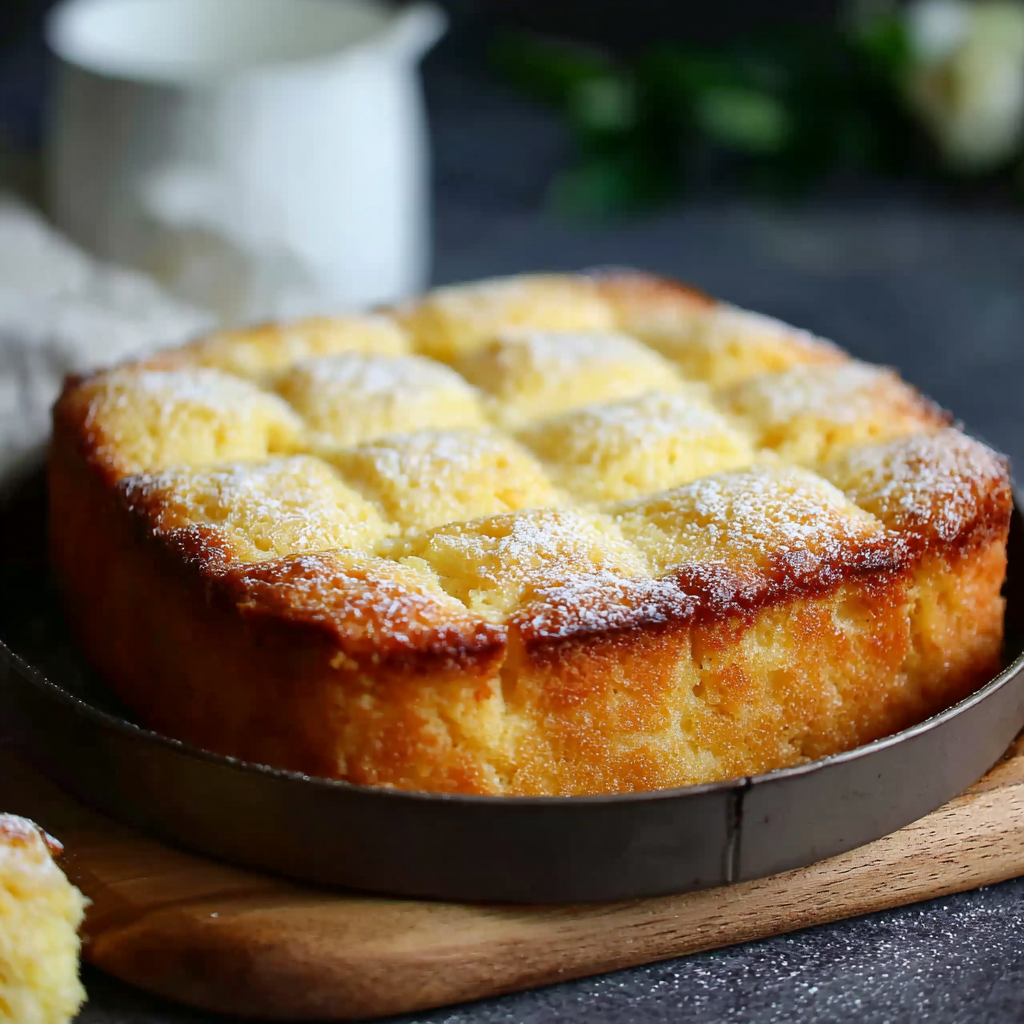
Ingredient Substitutions
If you’d like a lighter crumb, swap 1/4 cup of the all-purpose flour for cake flour and sift it in; you’ll notice a more delicate texture. For a dairy swap, use a high-quality non-dairy butter and an unsweetened plant milk with a tablespoon of oil added to mimic the fat content; results will be slightly different in flavor and mouthfeel. To reduce richness, replace heavy cream with whole milk as noted in the ingredients; the cake will still be tender but a touch less luxurious.
Serving Suggestions
Serve slices with a dusting of powdered sugar for a classic look, or top with a spoonful of lightly sweetened whipped cream and seasonal berries to make it a light celebration dessert. For breakfast, warm a slice and spread a thin layer of marmalade or apricot jam. At afternoon tea, pair it with a floral black tea or a bright espresso — the butter and vanilla harmonize across both hot beverages and fruit accompaniments.
Cultural Background
While not a single named classic from French pâtisserie, this style of plain butter cake reflects the French love of high-quality butter and simple technique. It sits alongside loaf cakes and butter-rich tarts in households where flavor comes from ingredients rather than heavy frosting. The approach — careful creaming, proper folding, restrained mixing — borrows from traditional European methods that emphasize texture and ingredient quality over decoration.
Seasonal Adaptations
Spring calls for a light lemon glaze and raspberries; in autumn add a teaspoon of ground cinnamon and top with poached pears. At holiday time fold in 1/2 cup finely chopped toasted nuts and a tablespoon of dark rum-soaked dried fruit for a more festive version. These small additions change the mood while keeping the buttery heart of the cake intact.
Meal Prep Tips
To use this cake for meal prep, slice into portions and store individually wrapped in the refrigerator for up to five days, or freeze portions for longer enjoyment. Label containers with the date and reheat gently in a low oven to refresh. Because it’s not frosted, it travels well for packed lunches or potlucks and is easy to portion ahead of time.
This cake invites experimentation: try different extracts, fold in citrus zest, or serve with a single scoop of plain ice cream. It’s simple enough to bake frequently and special enough to share — bake once and I think you’ll find many reasons to make it again.
Pro Tips
Ensure butter and eggs are at room temperature for a smooth, stable batter and better rise.
Do not overmix after adding flour; stop when there are no dry streaks to avoid developing gluten.
If the top browns too fast, tent with foil for the last 10–15 minutes of baking.
This nourishing classic french butter cake recipe is sure to be a staple in your kitchen. Enjoy every moist, high protein slice — it is perfect for breakfast or as a wholesome snack any time.
FAQs about Recipes
Can I freeze the cake?
Yes. Wrap tightly and freeze for up to 3 months. Thaw overnight in the refrigerator and warm briefly in a low oven before serving.
Why use room-temperature eggs?
Room-temperature eggs blend more easily and help create a stable emulsion, resulting in a lighter texture and better rise.
Tags
Classic French Butter Cake
This Classic French Butter Cake recipe makes perfectly juicy, tender, and flavorful steak every time! Serve with potatoes and a side salad for an unforgettable dinner in under 30 minutes.
Instructions
Preheat and prepare pan
Preheat oven to 350°F (175°C). Grease a 9-inch cake pan and line the bottom with parchment paper for easier release.
Cream butter and sugar
Beat softened butter and sugar for 3–5 minutes on medium-high until pale and fluffy to incorporate air for lift.
Add eggs and vanilla
Add eggs one at a time, beating after each addition to keep the emulsion stable. Stir in vanilla until combined.
Mix dry ingredients
Whisk flour, baking powder, and salt in a separate bowl to distribute leavening evenly before adding to wet ingredients.
Combine and add milk
With mixer on low, add dry ingredients until just incorporated, then pour in milk and mix until smooth without overbeating.
Bake
Pour batter into prepared pan and bake 40–50 minutes until golden and a toothpick comes out clean. Tent with foil if browning too fast.
Cool and serve
Cool in pan 10–15 minutes, transfer to a wire rack to cool completely, dust with powdered sugar or serve plain.
Last Step: Please leave a rating and comment letting us know how you liked this recipe! This helps our business to thrive and continue providing free, high-quality recipes for you.
Nutrition
Did You Make This?
Leave a comment & rating below or tag
@yummyhues on social media!
Categories:
You might also like...
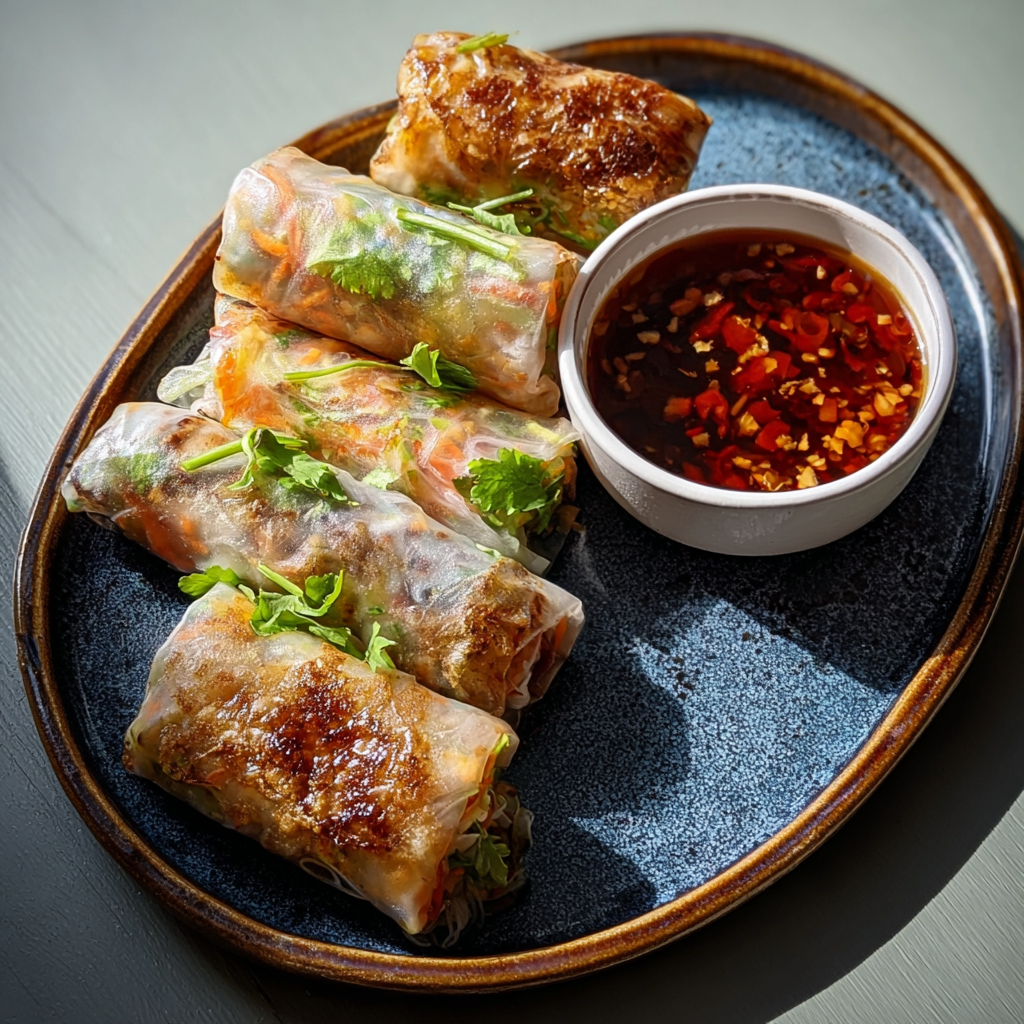
Air-Fried Rice Paper Noodle Rolls
Light, crisp rice paper rolls filled with vermicelli, tofu or shrimp and vibrant vegetables—air-fried to golden perfection for a healthy, speedy snack or appetizer.

Air Fryer Apple Fries
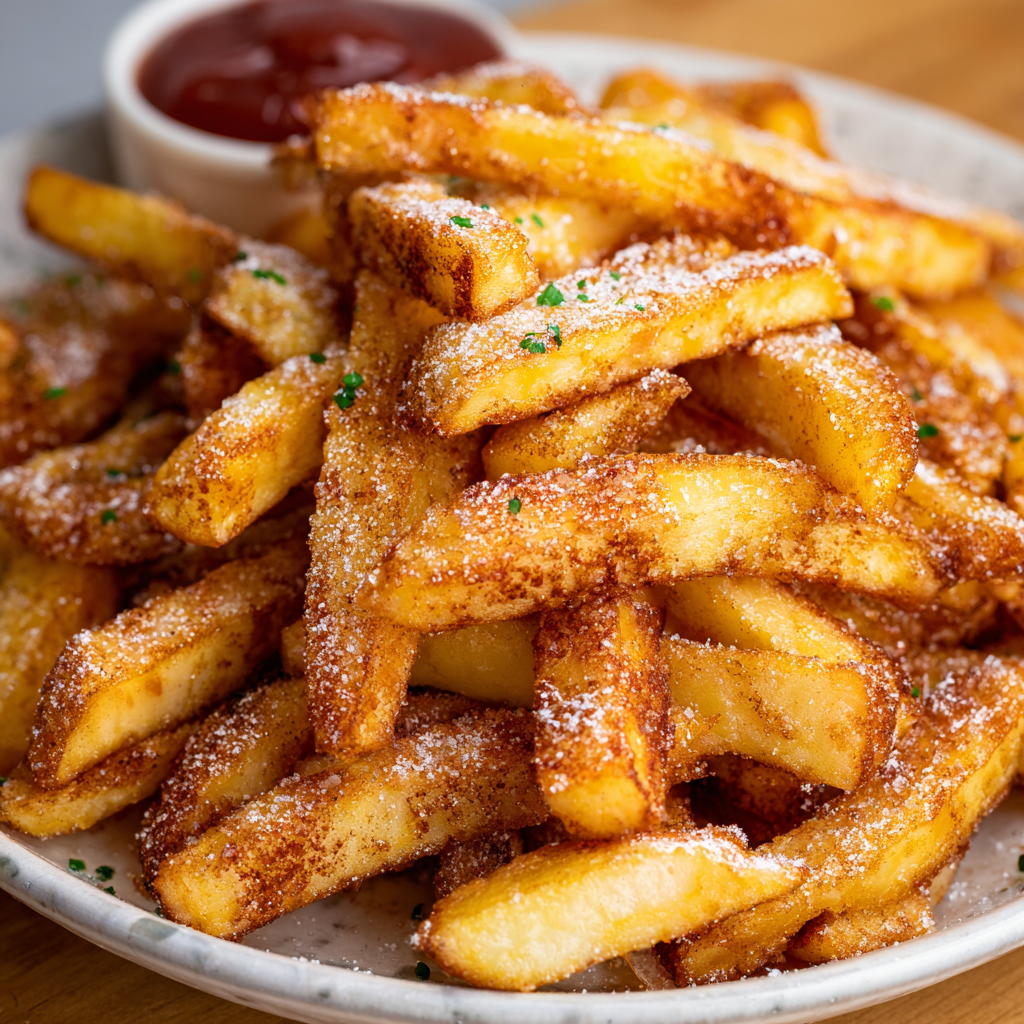
Crispy, lightly sweet apple sticks coated in panko and cinnamon, ready in minutes from the air fryer. A simple, family friendly snack or dessert.
Air Fryer Apple Fries
Crispy, cinnamon-kissed apple sticks air-fried to golden perfection — a quick snack that tastes like dessert, but feels delightfully fresh.
Did You Make This?
Leave a comment & rating below or tag @yummyhues on social media!
Rate This Recipe
Share This Recipe
Enjoyed this recipe? Share it with friends and family, and don't forget to leave a review!
Comments (1)
This recipe looks amazing! Can't wait to try it.
Comments are stored locally in your browser. Server comments are displayed alongside your local comments.
Hi, I'm Chloe!
What's Popular

30-Minute Meals!
Join to receive our email series which contains a round-up of some of our quick and easy family favorite recipes.