
Simple Lemon Caper Sauce

A bright, tangy lemon caper sauce that takes mere minutes to make — perfect for fish, chicken, pasta, or roasted vegetables.

This simple lemon caper sauce has been my go-to for lifting weeknight dinners since I discovered it when trying to rescue an otherwise ho-hum pan-seared fish. The first time I made it, the bright lemon and briny capers transformed the dish into something that tasted like a restaurant plate — but it took less time than setting the table. It’s the kind of sauce that brings people to the table, invites second helpings, and somehow makes leftovers taste like a new meal.
I love this sauce for its texture and contrast: silky butter or olive oil forms the base, reduced just enough to bind the acidity of fresh lemon juice and the pop of capers. The zest gives aromatic lift, and a touch of mustard or white wine deepens the flavor without weighing anything down. I first paired it with cod, but it’s now the finishing touch for chicken piccata-style, spooned over roasted vegetables, or stirred into al dente pasta for a lightning-fast supper.
Why You'll Love This Recipe
- Ready in about 15 minutes from start to finish — ideal for busy weeknights when you want an elevated meal with minimal fuss.
- Uses pantry staples: lemon, capers, butter (or olive oil), and simple seasonings — no specialty shopping required.
- Incredibly versatile: pairs beautifully with fish, chicken, shrimp, roasted vegetables, or tossed with pasta for a quick sauce.
- Make-ahead friendly: the sauce holds in the fridge for several days and reheats gently; freezes well up to 3 months in an airtight container.
- Dietary flexibility: use olive oil instead of butter for dairy-free, or swap capers for chopped green olives for a different briny note.
My family first encountered this version on a rainy Friday when I had a bag of frozen fillets and nothing else planned. The light citrus cut through the richness and the meal instantly felt celebratory. My partner still calls it “that lemon sauce” and requests it whenever cod is on the menu.
Ingredients
- Fresh lemon: Use 1 large lemon for both zest and juice. Fresh lemon juice is brighter and less bitter than bottled; a standard large lemon yields about 3 tablespoons juice and 1 teaspoon zest.
- Capers: Look for capers packed in brine (not salt) — rinse them briefly to control saltiness. A good brand is Cento or Roland; use 1 to 2 tablespoons depending on how briny you like it.
- Unsalted butter or extra-virgin olive oil: Butter creates a silkier finish (use 4 tablespoons), while 3 tablespoons olive oil keeps it dairy-free and lighter.
- Garlic: One small clove, minced. Fresh garlic provides a fragrant base; sauté briefly to remove raw bite.
- Dijon mustard: Optional 1 teaspoon to help emulsify the sauce and add depth — Maille or Grey Poupon work well.
- White wine or chicken stock: 1/4 cup to deglaze the pan; wine adds brightness, stock keeps it alcohol-free.
- Fresh parsley: A tablespoon finely chopped for color and herbaceous lift.
- Salt and freshly ground black pepper: Season sparingly; capers add brine so taste as you go.
- Optional pinch of red pepper flakes: For a gentle heat contrast.
Instructions
Prepare ingredients: Juice and zest the lemon, rinse and drain the capers, mince the garlic, and chop parsley. Measure butter or oil and have a small bowl ready to mix the Dijon if using. Fresh lemon zest releases aromatic oils — use a microplane and zest before juicing for the best results. Deglaze and build flavor: Heat a 10-inch skillet over medium heat and add butter or olive oil. Add the minced garlic and cook 20-30 seconds until fragrant but not browned. Pour in 1/4 cup white wine or stock to deglaze, scraping up any brown bits — these are flavor gold and will deepen the sauce. Add capers and reduce: Add the drained capers to the pan and simmer for 1 to 2 minutes so their brine softens and flavors meld. If the wine reduces quickly, reduce the heat to maintain control — you want a glossy pan liquid, not a dry skillet. Finish with lemon and emulsify: Turn the heat to low. Add the lemon juice and zest, then whisk in the Dijon mustard if using. Remove the pan from heat and swirl in the butter piece by piece (or slowly drizzle olive oil) until the sauce thickens slightly and becomes silky. Season with pepper and taste for salt. Stir in herbs and serve: Fold in chopped parsley and a small pinch of red pepper flakes if desired. Spoon over cooked fish, chicken, or roasted vegetables right away — the sauce is best warm and fresh.
The moment the butter hits the warm pan and the sauce emulsifies is my favorite: it goes from thin and sharp to glossy and balanced. If the sauce looks separated, remove it from the heat and whisk vigorously, adding a teaspoon of warm water to bring it back together.

You Must Know
- Store in an airtight container in the refrigerator for up to 4 days; reheat gently over low heat to preserve emulsion.
- Freezes well up to 3 months—thaw in the refrigerator and whisk to re-emulsify. Texture may be slightly different if butter separates.
- High in vitamin C from lemon; moderate calories from butter or oil. Adjust fats for dietary needs by using olive oil.
- Works as both a finishing sauce and a warm dressing for warm grain bowls or roasted root vegetables.
I love how flexible this sauce is. One weekend I made a double batch to freeze and later used it on weekday pasta, quick pan-seared scallops, and even as a bright drizzle over roasted asparagus. Friends who tasted it at a backyard dinner immediately asked for the recipe — and a few asked for a jar to take home.
Storage Tips
Let the sauce cool to room temperature before transferring it to a sealed glass jar. Refrigerate for up to 4 days; to reheat, warm gently over low heat and whisk until glossy. Avoid boiling — high heat can separate the emulsion. For freezing, portion into an ice cube tray, freeze solid, then transfer cubes to a zip-top bag; use within 3 months. Thaw overnight in the fridge and bring back together with a quick whisk or a splash of warm water.
Ingredient Substitutions
If you want a dairy-free version, substitute extra-virgin olive oil (3 tablespoons) for the butter for a lighter, slightly greener flavor. No white wine? Use low-sodium chicken stock or vegetable stock. If you don’t have capers, chopped green olives (about 2 tablespoons) provide similar briny notes but a firmer texture. To increase richness without butter, stir in 1 tablespoon of cream at the end.
Serving Suggestions
Spoon the sauce over pan-seared cod, halibut, or salmon; it also brightens roast chicken thighs and pork medallions. Toss with 8 ounces of cooked linguine and a handful of blanched asparagus for a 15-minute pasta. Garnish with extra lemon zest and chopped parsley for color. For a casual dinner, serve with roasted baby potatoes and a simple green salad to balance the citrus sharpness.
Cultural Background
The lemon-caper combination has deep roots in Mediterranean and Italian cooking, where citrus is used to balance oil and butter and capers are prized for their salty punch. Variants appear across coastal regions, from Sicily’s bright condiments to French beurre blanc adaptations. This sauce leans on those traditions but keeps the technique simple and accessible for modern home cooks.
Seasonal Adaptations
In spring, add a few chopped fresh chives and serve over young peas and new potatoes. Summer calls for bright herb additions like basil or tarragon and lighter olive oil emulsions. In autumn and winter, swap the parsley for kale or spinach stirred into pasta and use a deeper white wine to match heartier mains.
Meal Prep Tips
Make a double batch and freeze in tablespoon-sized portions for easy sauce additions. Keep a jar in the refrigerator for up to four days and use it to enliven leftovers — a spoonful over steamed vegetables or reheated fish will make last night’s dinner feel new. Pack in a small container for lunch to drizzle over grain bowls for instant flavor.
Simple, bright, and endlessly adaptable — this lemon caper sauce is the kind of discovery that keeps getting used long after the original reason for making it is forgotten. Make it your own with herbs, swap butter for oil, or double it to always have a citrusy lift in the fridge.
Pro Tips
Zest the lemon before juicing — it’s easier and you avoid losing the zest when cutting the lemon.
Rinse capers briefly to remove excess brine and prevent the sauce from becoming too salty.
Add butter off heat in small pieces while whisking to form a stable, glossy emulsion.
If the sauce separates, whisk in a teaspoon of warm water or a small splash of stock to bring it back together.
Taste before salting; capers are salty and may be enough without additional salt.
This nourishing simple lemon caper sauce recipe is sure to be a staple in your kitchen. Enjoy every moist, high protein slice — it is perfect for breakfast or as a wholesome snack any time.
FAQs about Recipes
How long will the sauce keep?
Yes — the sauce keeps in the refrigerator for up to 4 days in an airtight container. Reheat gently over low heat and whisk before serving.
Can I make this dairy-free or vegan?
Use extra-virgin olive oil instead of butter and omit Dijon mustard to make it dairy-free and vegan-friendly. The texture will be slightly different but still delicious.
Can I freeze the sauce?
Freeze in small portions (ice cube tray) for up to 3 months. Thaw overnight in the fridge and whisk to re-emulsify.
Tags
Simple Lemon Caper Sauce
This Simple Lemon Caper Sauce recipe makes perfectly juicy, tender, and flavorful steak every time! Serve with potatoes and a side salad for an unforgettable dinner in under 30 minutes.
Instructions
Prepare ingredients
Zest and juice the lemon, rinse and drain capers, mince the garlic, and chop parsley. Measure butter or oil and set aside.
Sauté garlic and deglaze
Warm the skillet over medium heat and add butter or olive oil. Cook the minced garlic for 20-30 seconds, then pour in 1/4 cup white wine or stock to deglaze, scraping up any browned bits.
Simmer capers
Add the drained capers and simmer for 1 to 2 minutes to soften and infuse the liquid with briny flavor.
Finish and emulsify
Lower the heat, add lemon juice and zest, whisk in Dijon if using, then remove from heat and swirl in butter pieces or slowly drizzle olive oil until the sauce thickens and becomes glossy.
Add herbs and serve
Stir in chopped parsley and a pinch of red pepper flakes if desired. Taste and adjust pepper and salt (if needed). Spoon over cooked fish, chicken, pasta, or vegetables and serve warm.
Last Step: Please leave a rating and comment letting us know how you liked this recipe! This helps our business to thrive and continue providing free, high-quality recipes for you.
Nutrition
Did You Make This?
Leave a comment & rating below or tag
@yummyhues on social media!
Categories:
You might also like...

Air Fryer Buffalo Cauliflower
Crispy battered cauliflower florets tossed in zesty buffalo sauce — a crunchy, spicy vegetarian favorite made quick in the air fryer.

Air Fryer Parmesan Crusted Chicken
Golden, crunchy Parmesan-crusted chicken cooked in the air fryer — a quick, family-friendly dinner with a crispy exterior and juicy interior.
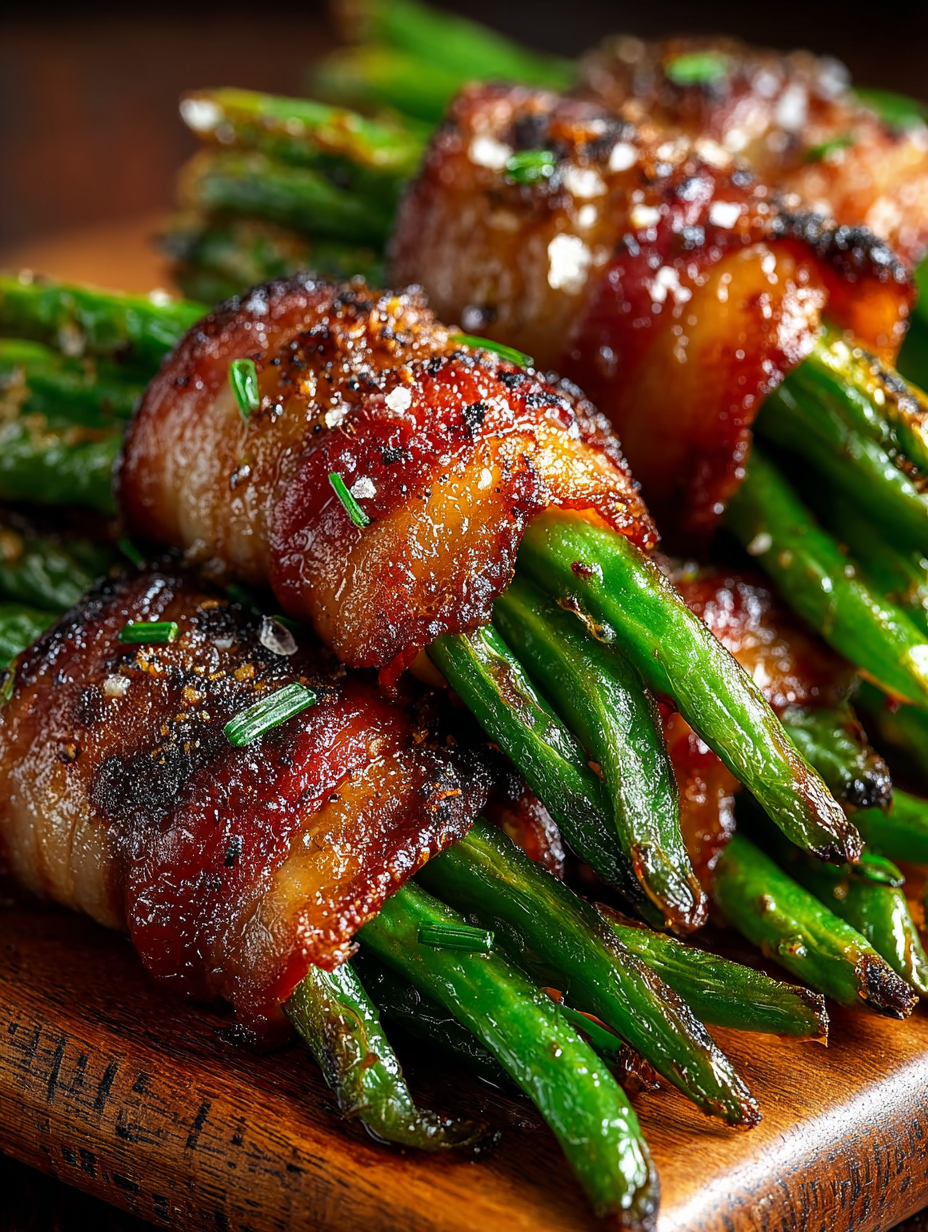
Bacon Wrapped Green Bean Bundles
Tender crisp green beans wrapped in smoky bacon with an optional sweet soy glaze. An easy crowd pleaser for holidays and weeknight dinners.
Did You Make This?
Leave a comment & rating below or tag @yummyhues on social media!
Rate This Recipe
Share This Recipe
Enjoyed this recipe? Share it with friends and family, and don't forget to leave a review!
Comments (1)
This recipe looks amazing! Can't wait to try it.
Comments are stored locally in your browser. Server comments are displayed alongside your local comments.
Hi, I'm Chloe!
What's Popular

30-Minute Meals!
Join to receive our email series which contains a round-up of some of our quick and easy family favorite recipes.